Do Schools Teach History Selectively?
Walk into a British secondary-school classroom and you can usually predict the timeline before the teacher has written a date on the board. The rise of Britain, the fall of Britain, the wars Britain fought and won. Students become experts in the Blitz, the Somme and the moral clarity of 1945. But ask how the collapse of the Ottoman Empire destabilised the Middle East, why the Partition of India displaced over 14 million people, or how British colonial borders fuel conflicts still raging today, and the room often falls quiet.
This silence is not incidental. It is produced by a curriculum that teaches history selectively, and in doing so, protects Britain from scrutiny.
History is never neutral. What a nation chooses to teach reveals what it is willing to confront about itself. In Britain, the curriculum overwhelmingly privileges a national story of resilience and righteousness, while relegating Britain’s global actions to the margins. A 2025 Policy Exchange survey found that 85 per cent of secondary schools teach core British milestones such as the Norman Conquest, the Tudors and the World Wars, while fewer than 20 per cent engage meaningfully with global histories beyond Europe.
This is not about a lack of space. It is about political comfort.
The result is a distorted worldview. Students leave school with the impression that Britain’s wealth and power emerged organically, earned through ingenuity and moral fortitude. What is downplayed, if not ignored entirely, is how Britain’s development was inseparable from empire. The Industrial Revolution was fuelled by colonial extraction. Britain’s financial institutions grew rich through enslaved labour and privileged trade. Its dominance was enforced militarily across continents. None of this is ancient history. The British Empire ended within living memory, yet its legacy continues to structure global inequality.
Britons today are born into extraordinary privilege. We benefit from political stability, global mobility and economic security that much of the world does not enjoy. This privilege is not deserved. It is inherited. And it is precisely because it is inherited that it goes largely unquestioned. A selective history education allows this privilege to feel natural rather than constructed; grown rather than plundered.
This matters because Britain was not merely a passive observer of the world. It has been an active architect. The modern Middle East is perhaps the clearest example. British students study the Second World War extensively, particularly the Holocaust, and rightly so. But far less attention is paid to what followed. The collapse of the Ottoman Empire, the imposition of European mandates, and Britain’s contradictory promises during its rule over Palestine are rarely taught in depth. Yet these decisions laid the groundwork for one of the most enduring and devastating conflicts of the modern era.
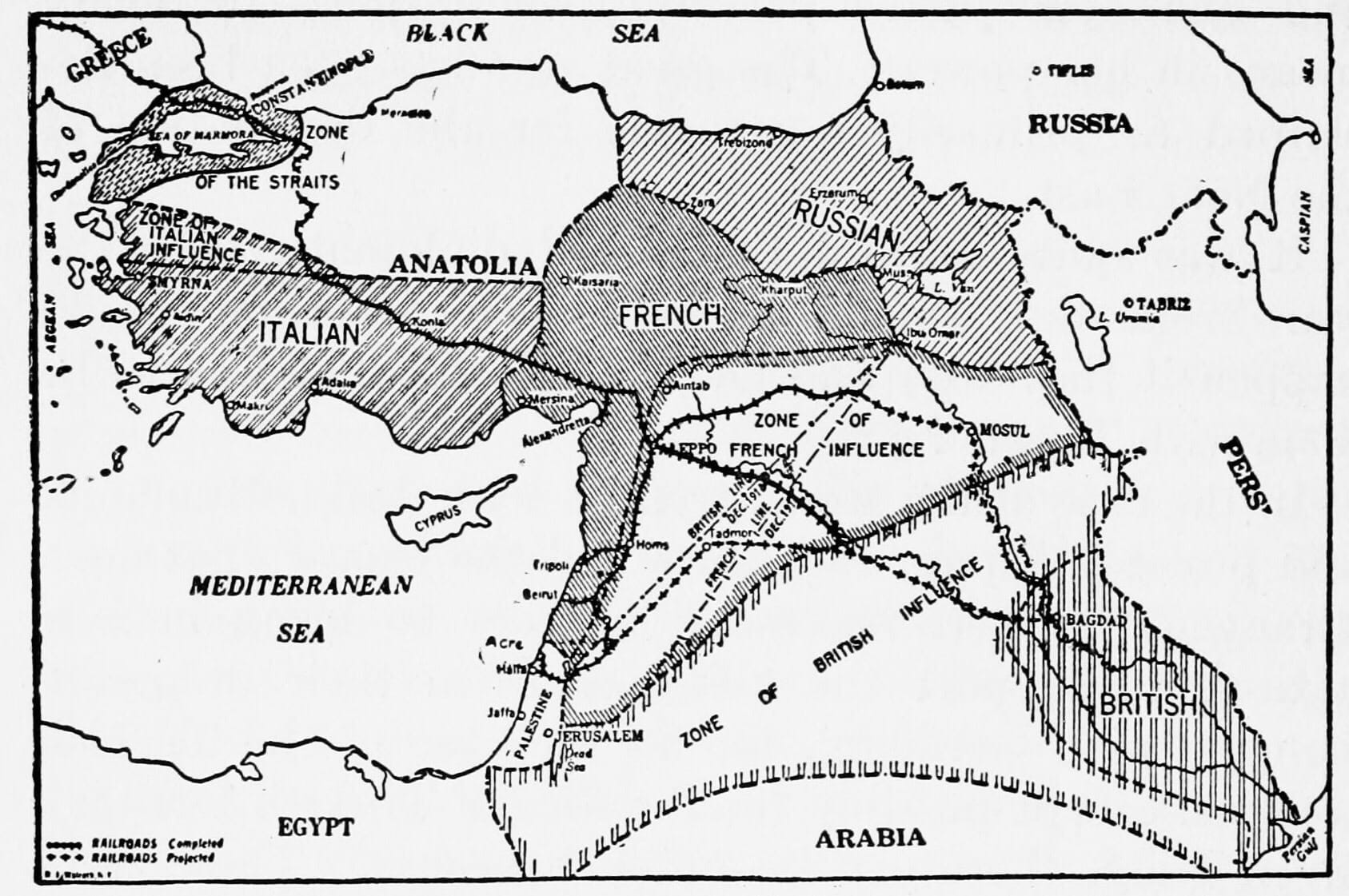
The creation of Israel in 1948 cannot be understood without the Holocaust. European antisemitism, culminating in genocide, gave power and support to the Zionist movement after the Second World War. This historical reality is often acknowledged.
What is less explored is Britain’s role in governing Palestine, promising land to multiple groups, and withdrawing without a sustainable political solution.
Today, Britain watches the Israel–Palestine conflict from a distance, issuing condemnations and expressions of concern, while its historical responsibility remains largely absent from public consciousness. Condemning the Israeli government’s persecution of Palestinians is morally necessary, but without historical context, outrage becomes detached from accountability.
This pattern repeats across the globe. Britain drew borders in Africa that ignored ethnic, religious and linguistic realities, contributing to conflicts that persist in Sudan, Nigeria and beyond. The Partition of India, overseen by British authorities, displaced millions and killed over a million people in one of the largest mass migrations in history, yet it remains a footnote in most British classrooms. In Ireland, Britain’s colonial legacy continues to shape political tensions to this day. These are not peripheral stories. They are central to understanding why the world looks the way it does.
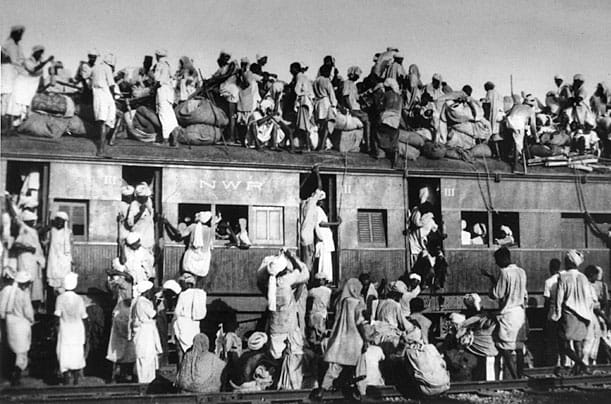
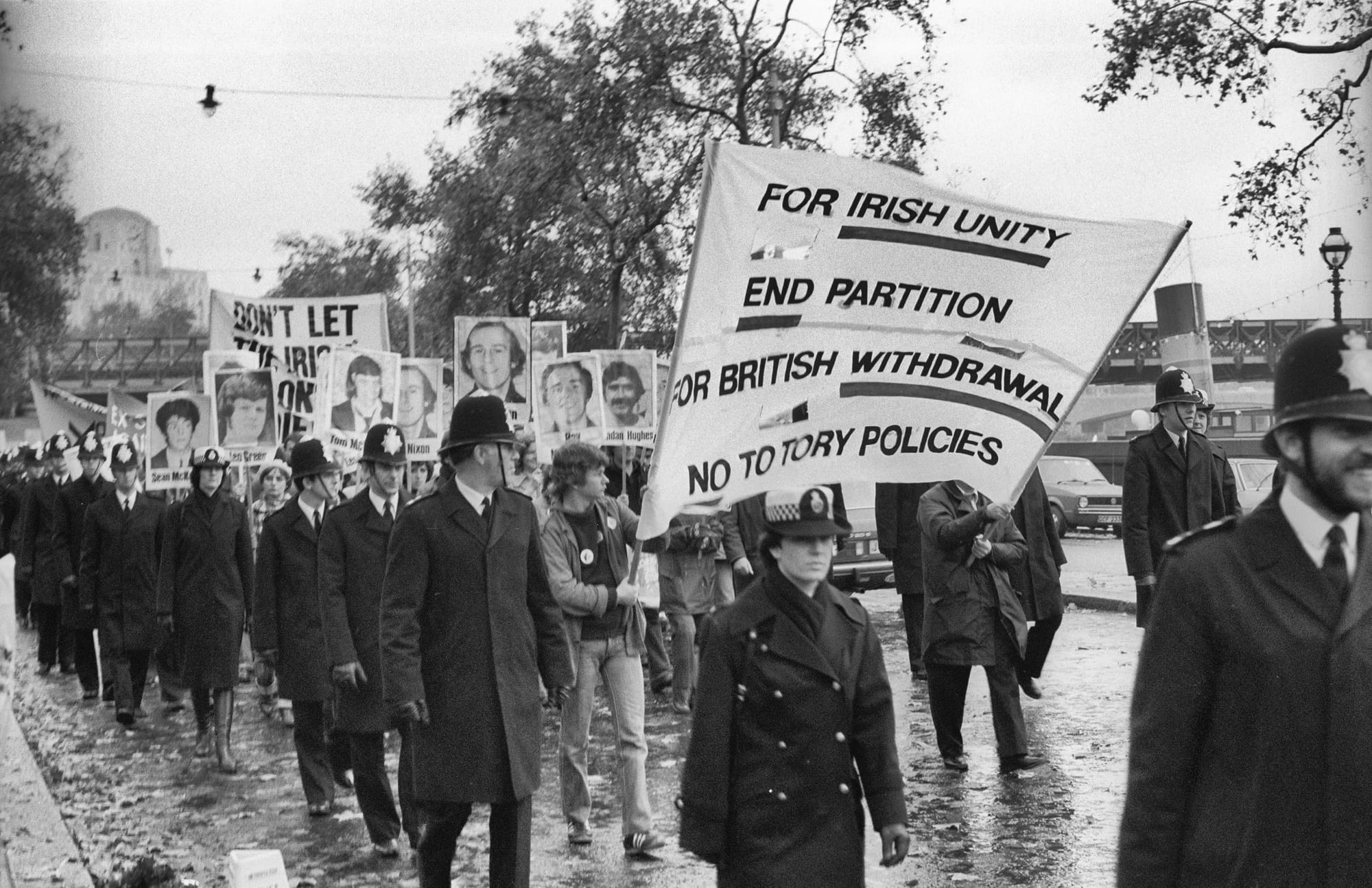
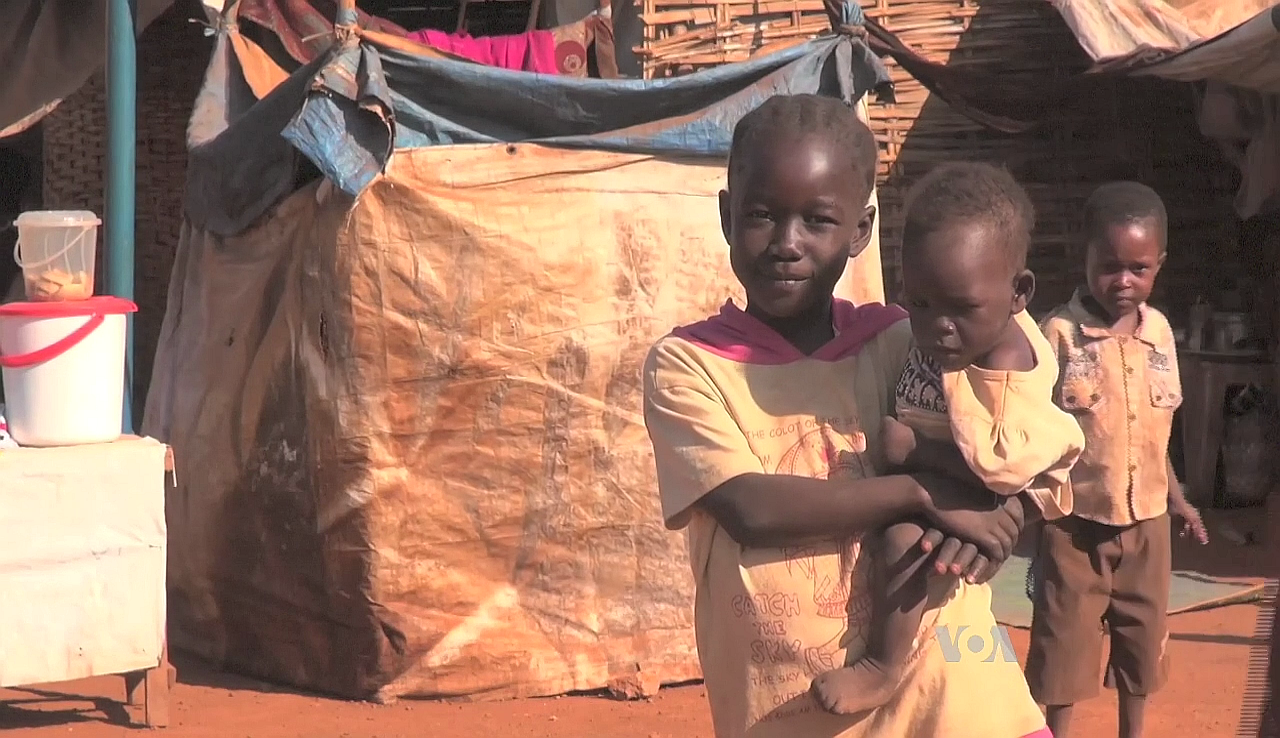
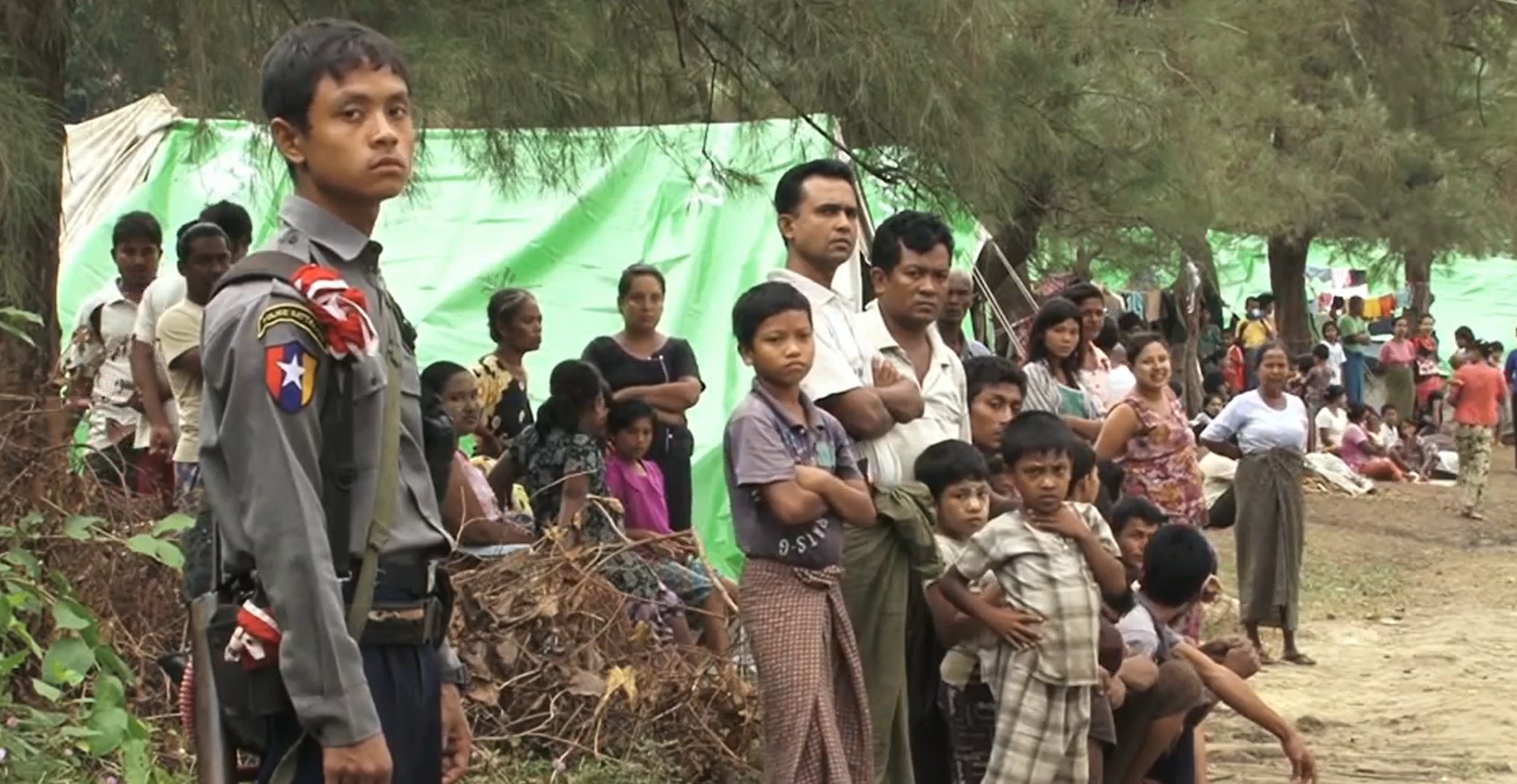
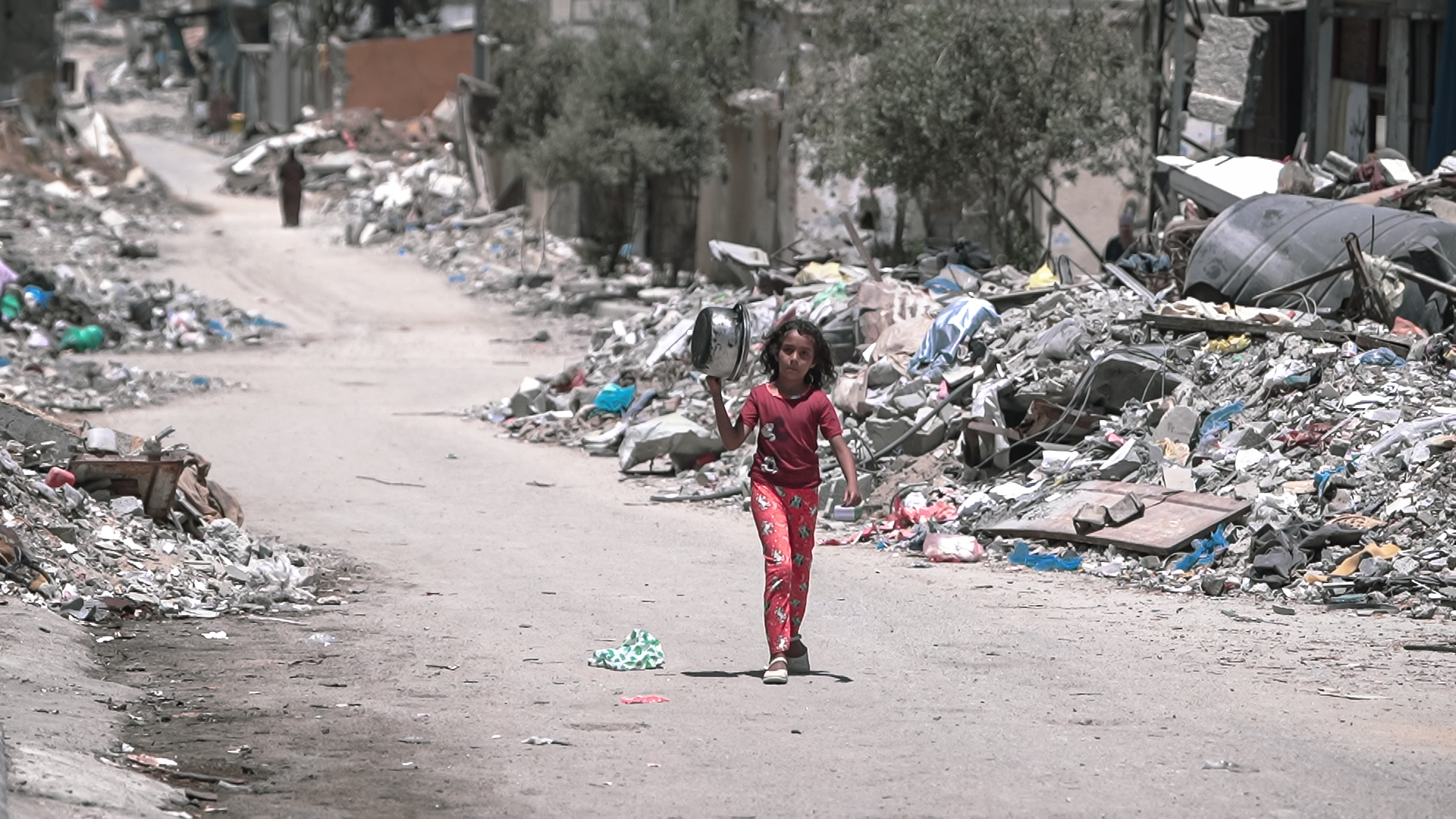
From top left: train transferring refugees during the partition of India, 1947; For Irish Unity End Partition protest on the Thames Embankment, London, 1979; Refugee camp at Wau town, South Sudan 2016; A Myanmar Border Guard police officer with Kamein IDPs, 2012; Gazan girl looking for food, 2024.
Despite this, Britain often positions itself as a moral referee. From its island, it judges wars, sanctions states, and intervenes selectively, wielding diplomatic and military power while remaining sheltered from the consequences. This detachment is sustained by historical ignorance.
When people are not taught how their country helped create global instability, they are more likely to view conflict as something that happens elsewhere, caused by ancient hatreds or foreign dysfunction.
The danger of this ignorance is not academic. It shapes public opinion, voting behaviour and foreign policy support. When history is taught selectively, people choose sides in international conflicts based on emotion, ideology or media framing, rather than understanding. Compassion becomes conditional. Complexity is dismissed. Britain’s role is conveniently forgotten.
History education should do the opposite. It should force discomfort. It should make clear that Britain’s prosperity is tied to other nations’ suffering; that today’s global inequalities are the product of deliberate historical processes, and that moral judgement without historical awareness is shallow at best hypocritical at worst.
Schools have a responsibility to teach this honestly. That means situating Britain within global systems of power, not above them. It means teaching the aftermath of wars, not just their victories. It means confronting empire not as a regrettable footnote, but as a defining force in modern history. Individuals, too, have a responsibility to read beyond the syllabus, to question inherited narratives, and to educate themselves before taking moral positions on international crises.
In an age of global conflict, selective history is not just inadequate, it is dangerous. Britain’s story does not end at its borders, and neither does its responsibility. If we are to engage with the world ethically we must first understand how we came to stand where we do.
Anything less is ignorance disguised as innocence.