
Political Fawning or Pragmatism? The Labour government's China policy
The decade-long freeze of British-Chinese relations is warming up.
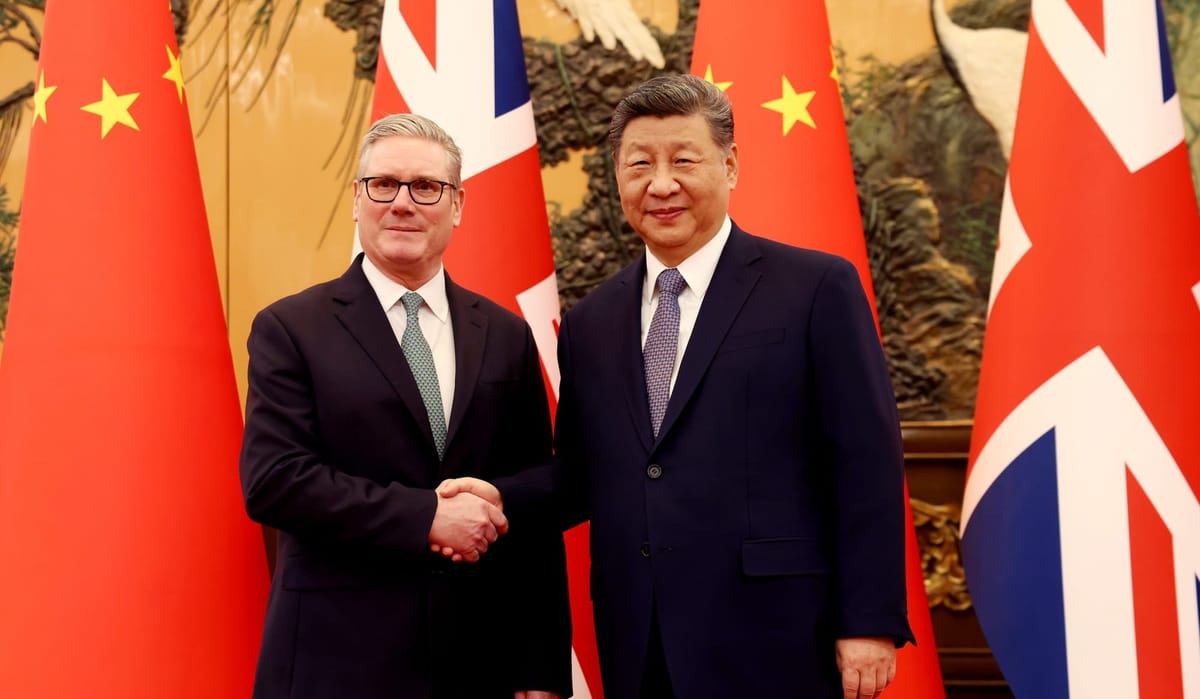
Successive governments throughout 2018-24 took an increasingly hardline position on China. A plethora of reasons explain this: Downing Street often disagreed with the Chinese Communist Party (CCP) regime, held reservations over human rights abuses in Western China, and had little reason to shift their position because of stable alliances and ideological differences. Thus, China and Britain stayed apart. Indeed, there was no official state visit to Beijing by any of Starmer’s three predecessors as Prime Minister.
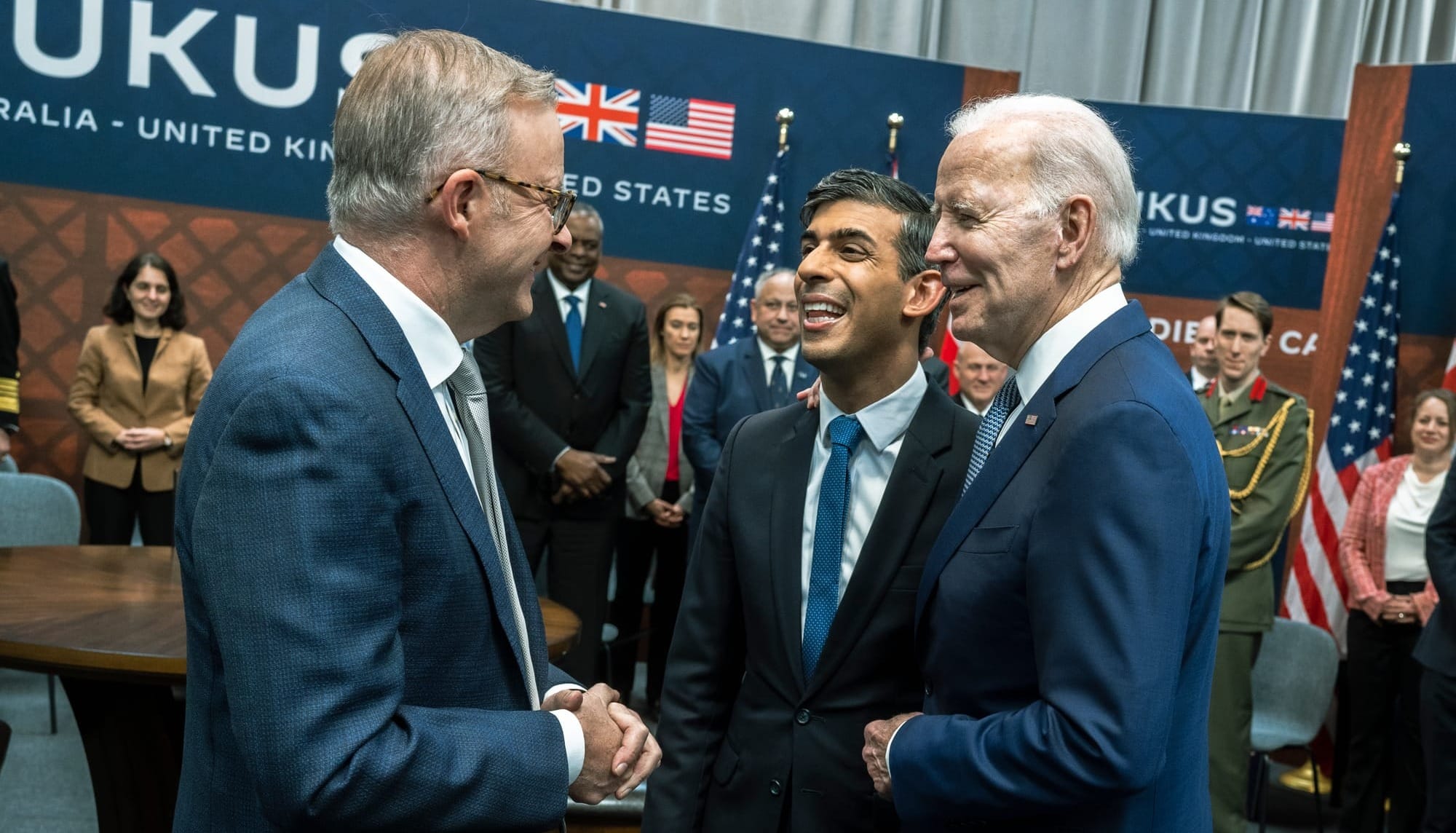
On the campaign trail in 2022, Tory leader hopeful Rishi Sunak identified China as the key threat to Britain on the world stage, and a year later, as Prime Minister, Sunak withdrew funding from Confucius Institutes, an internationally hostile move to the CCP. Espionage and technology competition under a national security umbrella were the contributing factors in the Conservative government's strategy of alienating China. All in spite of a more necessary and increased presence in Asia and the Pacific post-Brexit, evidenced by the UK government's role in the formation of AUKUS in 2021, and joining the CPTPP free trade agreement in 2024.
But as the UK goes into its sixth year since the Withdrawal Agreement, the Brexit elephant in the room is becoming harder to ignore.
Sluggish growth and subpar economic activity has defined the 2020s, and no matter how many forecasts present 0.1% growth, we still feel poorer. This makes the payoff of a new economic partnership with China all the more attractive for those seeking to engage. Frankly, under the ideological, confrontational Conservative government, such a partnership was impossible.
Enter the Labour Party, which returned to government under Starmer, marking a long-anticipated return. Unlike some predecessors this Prime Minister has been keen to travel and negotiate. On Europe, he remains cautious, but well aware of the electoral volatility in heartlands if Labour embarked on an EU return.
Chancellor Rachel Reeves, argues there exists ‘no easy routes’ to growth, reflected in her surprisingly conservative budgets. In January 2025, Reeves went to China to reaffirm this agenda of economic growth. She flipped Conservative rhetoric; an improved relationship with China was now framed as vital for not just growth but also national security.
The sad reality was despite this political manoeuvring, Reeves left Beijing with a pitiful economic package of £600 million across five years, hardly the stimulus Labour wanted to secure. However, in spite of this disappointment, and other geopolitical routs incurred by China since, the Labour government seems insistent on making this relationship work.
Next it was Starmer’s turn, and in January 2026 he left for China on a three-day state visit. This was months after the government abandoned any opposition to China’s planned ‘super-embassy’ in London, demonstrating how keen Starmer was to please China, despite intelligence concerns.
A pragmatist may argue this approach has changed because of the unique economic and political situation of 2026 Britain, including a harsh economic reality of a post-EU Britain in tandem with a second Trump administration. As a result, the Labour government has taken a strategic approach to contingent realities. Though as expressed, they have relegated Britain to an extremely junior position in these bilateral talks.
The government may be moving closer to China in other respects as well however, as Britain has doubled down on surveillance under this Labour government. It is worth noting under Starmer’s watch the UK government approved and rolled out facial recognition cameras nationwide. This Orwellian move, much like Digital ID before the U-turn climbdown, are indicative of government overreach and a state addicted to centralisation and control.
Similar to Starmer's and the NEC decision on candidacy for the forthcoming by-election in Manchester Labour ended up losing as a result, illiberal policies including those above, appear from nowhere, and are marred by low legitimacy and weak basis. These illiberal features of mass surveillance are, as clear by petition, overwhelmingly unpopular, and such policies do not represent the interests of British voters or our liberal democratic heritage, nor are they justified. They do however remind us of the fragility and slippery slope of the hard-fought civil liberties we could lose at a moment’s notice.
Alternatively, we return to the case that can be made for pragmatism as part of this diplomatic shift. Starmer’s state visit to Beijing cannot be discussed without the mention and context of London’s current fallout with the Republican administration in Washington.
Starting in 2026, Starmer has taken a hardball position on President Donald Trump, along with other historical American allies like Canada and the EU. In this period, the Labour leader finally took a stance and defended Denmark’s territorial integrity regarding Greenland. Then more recently, Starmer rightly described Trump’s disproportionate remarks on British involvement in Afghanistan as ‘insulting and appalling’.
These have been major - though welcome and principled - changes in Starmer’s dealings on the world stage, where earlier, the prime minister literally picked up after Trump. All this has made a geopolitical realignment necessary as Britain falls out of orbit of a once ‘special relationship’ with the United States. And in regards to UK isolation this diplomatic crisis is amplified by Labour’s unclear position on Europe, which serves to make the situation more lonesome.
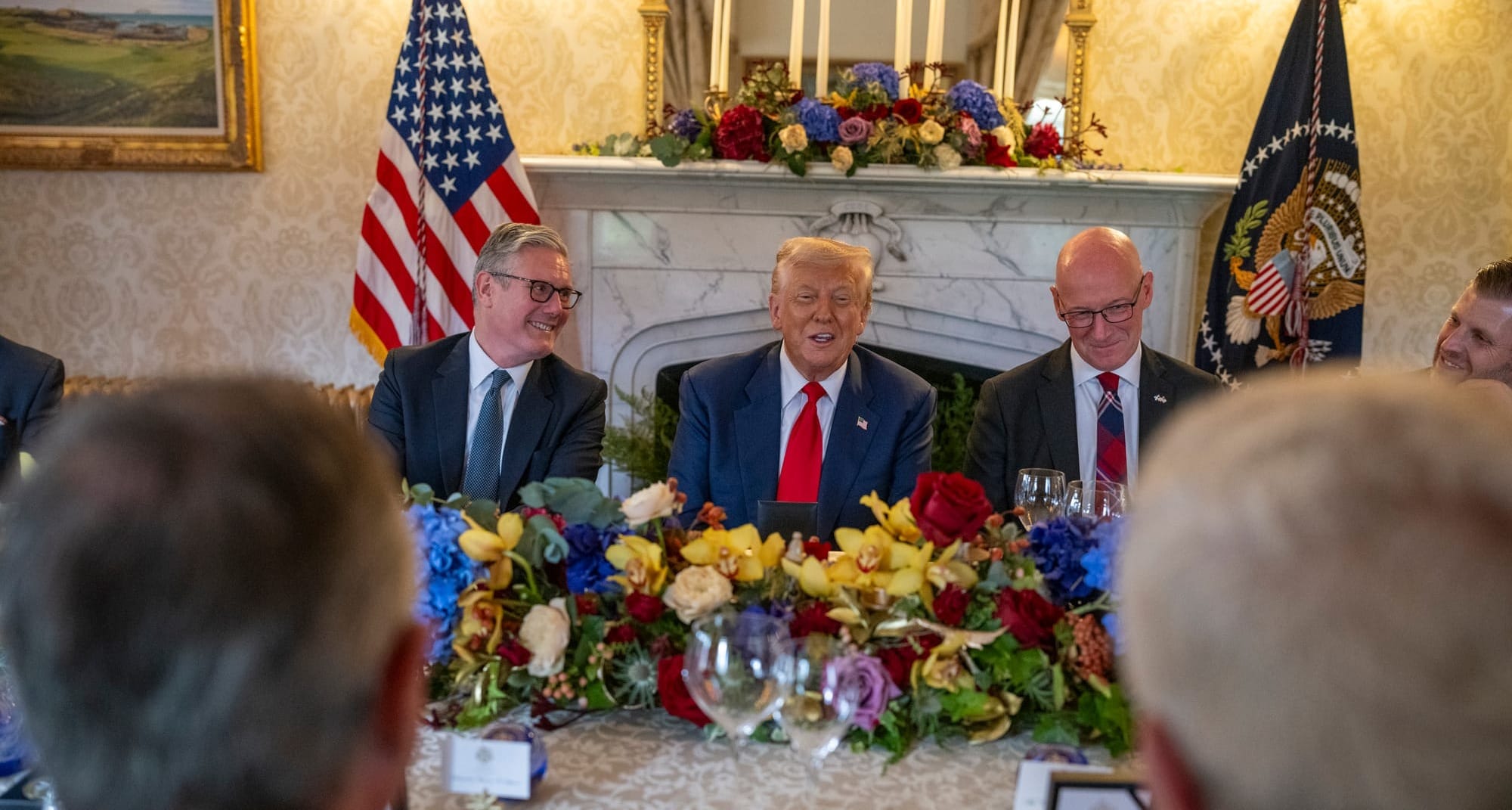
Thus, any push with China for foreign investment, new markets and removing trade barriers would offset some of the losses as a result of American actions. Because again, as alluded to, any working relationship with the United States in 2026 could go into meltdown overnight due to the unpredictable reality of Trump’s tariff strategy, highlighted by the US Supreme Court's most recent decision.
Increased trade with China then is objectively beneficial to our economy. China alone produces boundless quantities of EV’s, solar, and wind-turbine technologies. However, if the governmental position continues to rely on what we know to be unethical supply chains to get a Green transition over-the-line, in a nation that we also know is the world's largest CO2 emitter, this raises new, very different questions regarding universal rights, ecology and sustainability.
An alternative could exist: an end to Thatcherite deindustrialisation, with subsidised, ethical modes of production that, if done correctly, would offset more emissions and restore jobs to this country.
Sticking to ethics, the British government has been extremely quiet on basic human rights abuses in Xinjiang, where ethnic Uyghurs face persecution for their identity. Perhaps this deafening silence is political fawning, not least because while Parliament considers Beijing’s treatment of Uyghurs as genocide, the UK government still refuses to echo its condemnation. On the ground, the Uyghur’s ingrained way of life and Islamic religion is seen as a separatist threat to the societal cohesion and revolutionary ideals of Beijing.
In Britain then, the lack of political courage on different sides of the political aisle and the inability to call out such actions is for worse, and reflective of a balance of power shift. One in which London seemingly accepts the immediate seniority of Beijing in any UK-China relationship. The Britain of the future will have to make room for work with Asian partners, and a pragmatist may argue that requires foundations in China. Though, does this hold-up to our ethical ideals as a country, when we deepen relations with a country that perpetuates poor working conditions and political oppression?