The Nostalgia of Empire
Looking back, we can see how the past continues to affect the present and the future yet to come.

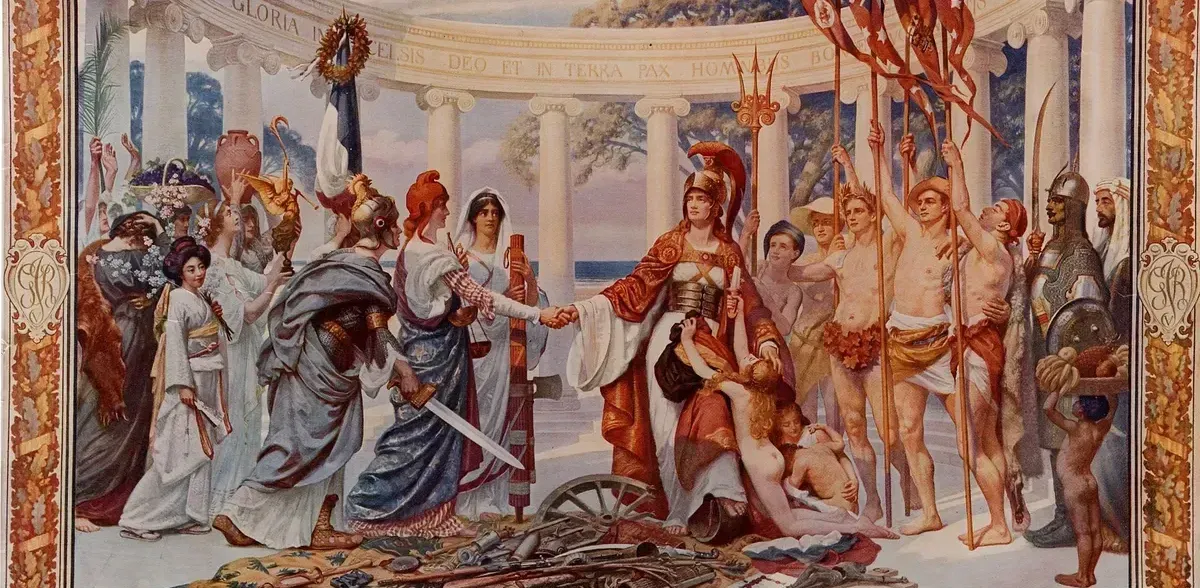
Rome wasn’t built in a day; neither did it fall in one. The death of the Mediterranean empire was prolonged and marked by successive spasms and cataclysms: the division of the imperium between East and West in 395; the sack of Rome by the Visigoths in AD 410; the foundation of new kingdoms in the depopulated hinterlands.
Yet, even after the end of the Mediterranean’s most illustrious period, a senate still gathered in Rome’s senate house, provincial warlords referred to themselves by
Latin terms such as Dux and Comes, and a Pope still sat in the spiritual capital of the West. When the Islamic armies sailed across the Mediterranean Sea to Cyprus, they referred to the waters as Bahr al-rūm: the Sea of the Romans. The memory of
Roman power has inspired aspiring world-conquerors throughout history; from
Napoleon to Mussolini.
The Roman example is but one of countless empires throughout history that have
arisen out of primordial origins and expanded their domains; only to suffer inexorable decline. Yet memories of past glory are impossible to be rid of; and seemingly increase in potency as the violence of conquest is forgotten and the past is seen through the rose-tint of nostalgia.
History is torn between remembrance and oblivion. As the post-war order collapses around us, and new empires are expanding their spheres of influence, recognising the power of nostalgia, memory and forgetting is essential, especially as the conquests and achievements of the past will influence public and foreign policy in the present.
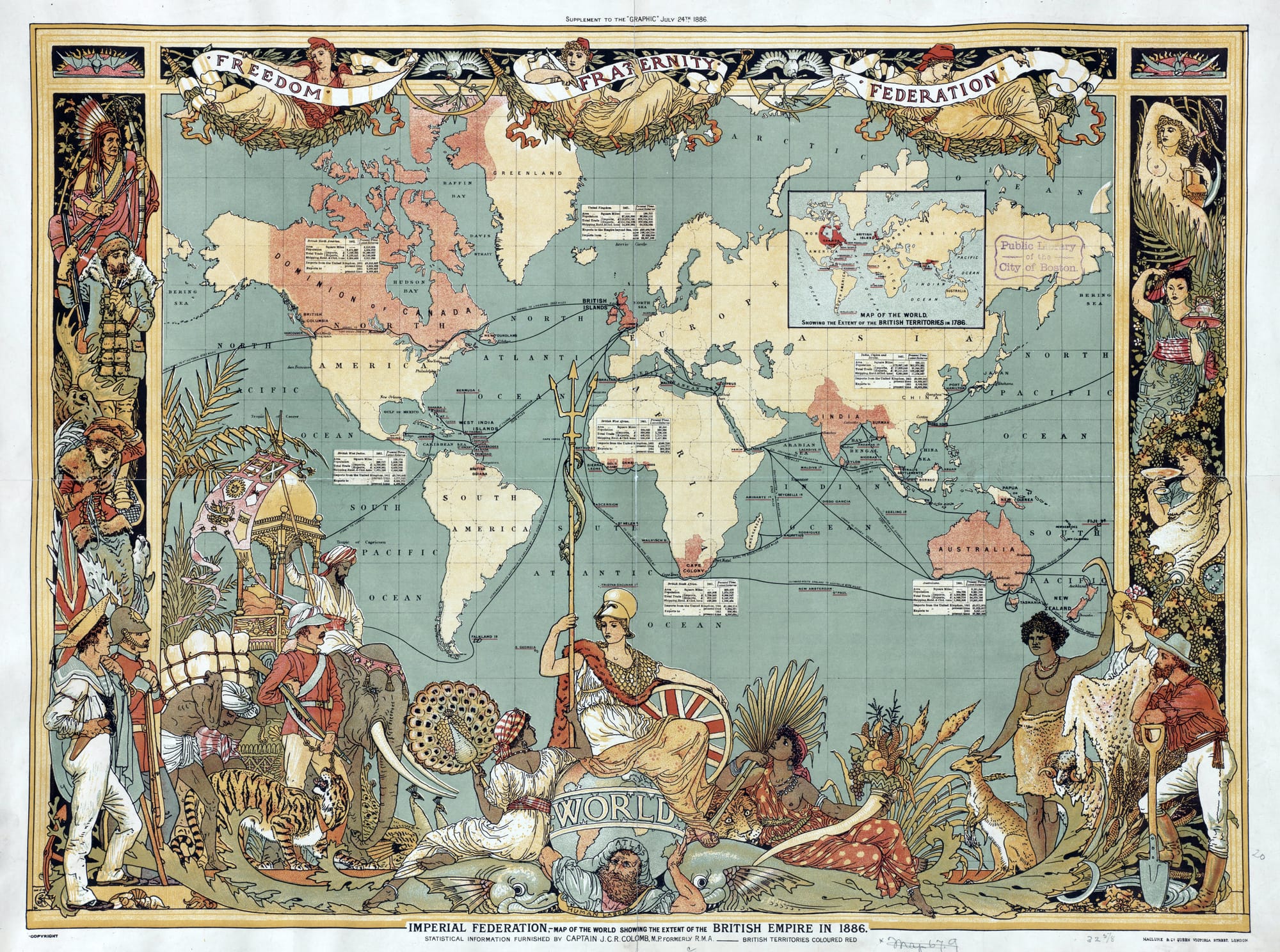
For the contemporary United Kingdom, the legacies of our colonial past are immediate and recognisable. After all, by some reckonings the sea-faring British Empire only ended in 1997, with the handover of Hong Kong. These memories haunt our politics, our public discourse, our landscapes. In recent years, with the old American order crumbling, Britain has been forced to re-examine itself. The collapse of British imperial power was more sudden, and we are yet to live its aftershocks.
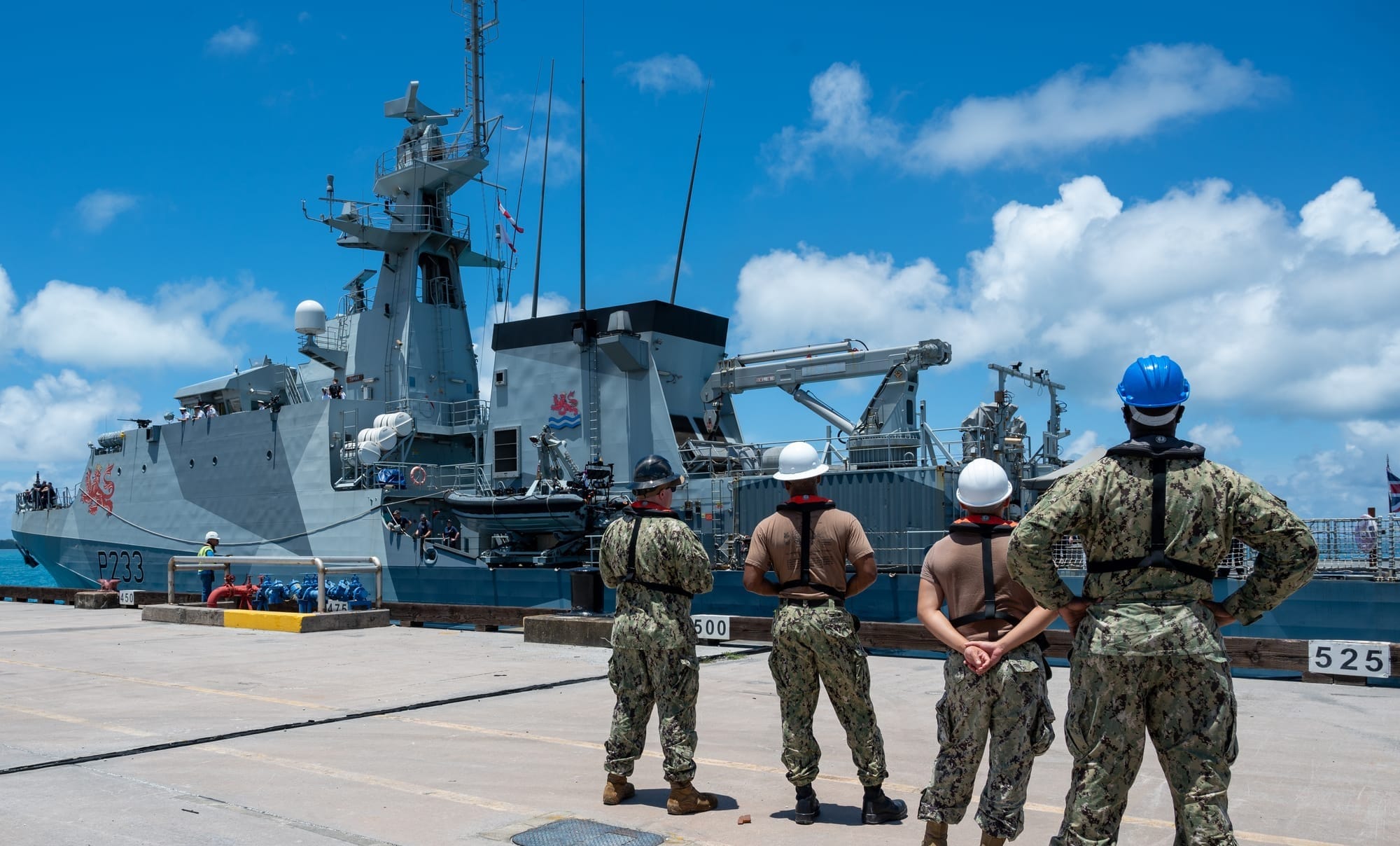
The Chagos Islands controversy, for example, is an excellent example of these imperial tensions. The islands, located in the Indian Ocean, are rapidly becoming a geopolitical flashpoint. Britain, egged on by the United States, has agreed to hand these colonial possessions over to Mauritius, despite warnings of encroachment by other powers such as India and China. This reality would have been unimaginable a century ago, with India a colonial subject of the British, and China irrelevant.
Supporters of the handover refer to the islands as a remnant of Britain’s colonial past; whilst its critics point out national security concerns. Whether or not the islands are turned over to Mauritius is irrelevant; for the situation itself is representative of the doubts that surround Britain’s role to play in the world.
The answer to the question of our role in the world at the height of our empire would have been clear, with the empire's civilising mission being one of many unfortunate justifications used to expand the empire.
Without this empire however, Britain seems to be in a state of stasis and decline, despite the many options we may have. Popular fringe parties such as Reform UK are symptomatic of this decline; with imperial nostalgia dripping from their pamphlets and slogans. Farage wants to reopen the coal furnaces: of course, in his eyes, the only way forward for British industry is to rely on an industry that died last century.
Reform wants to cut the number of civil servants, taking inspiration from a time that a third of the world was governed by 50,000 bureaucrats. Hidden within these proposals is a refusal to accept the disappearance of a dying world. Across the British political spectrum, we are suffering from a death of fresh ideas, nothing to replace the might we once claimed. Until we do, our foreign policy will be unsure and disparate, our politics ineffective and our common culture stale.
Look abroad however, and we see imperial nostalgia and legacies being put to much more effective use.
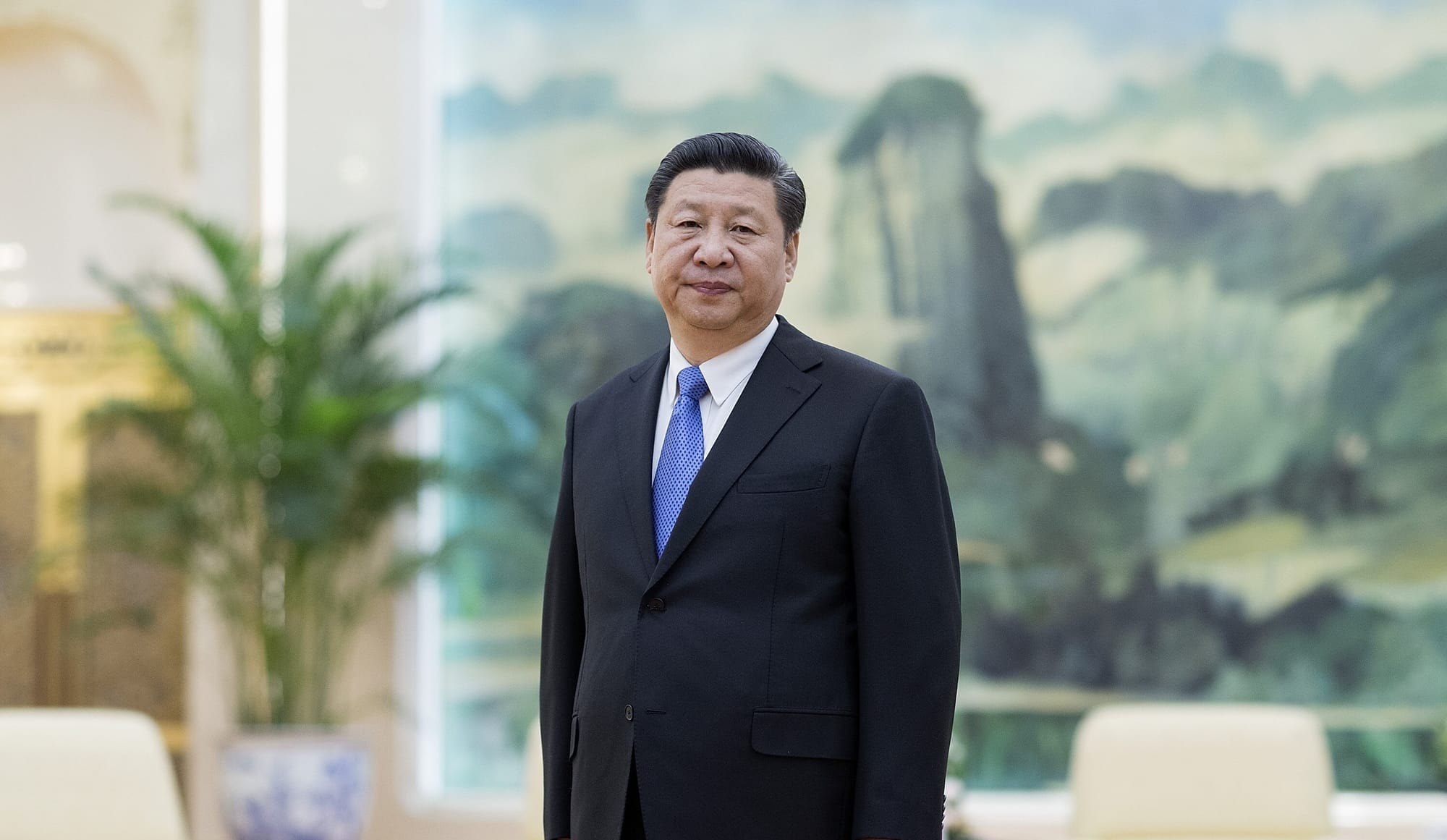
China’s ascendancy, long-awaited but now indisputable, is clearly motivated by a nationalist understanding of its past. Their millennia-old imperial civilisation and the ‘Century of Humiliation’ at the hands of the contemporary great powers have supplied reason enough to pursue an imperial agenda of their own.
In 2023, Chinese president Xi Jinping enacted the Patriotic Education Law in order to promote the ‘great rejuvenation of the Chinese people’. This law integrates the history of Chinese suffering at the hands of European and Japanese imperialism into the curriculum, memorials and public culture. This history is crossed with China's unique form of socialism to provide the impetus needed for imperial expansionism.
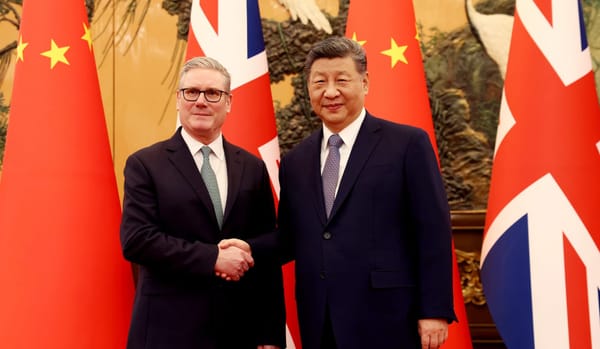
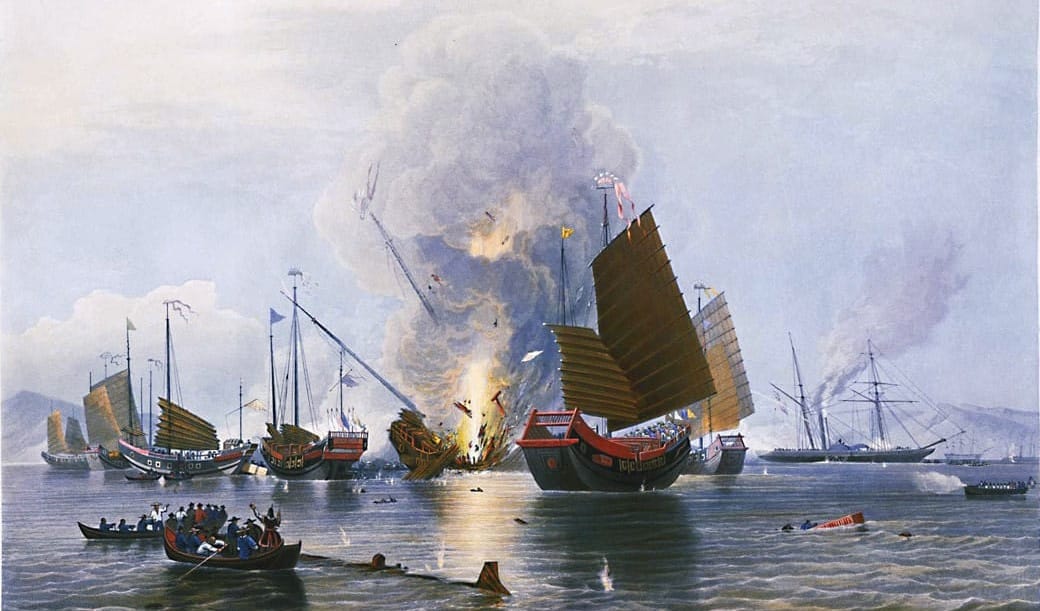
One sees then, how Chinese dominance over their rivals in the 21st century becomes an essential fulfilment of national destiny. Whilst Beijing has resolutely blocked the opening of a new British embassy, the British government allows for the foundation of huge Chinese one in Central London, despite warnings of foreign interference. It is hard not to recognise the irony in that Britain, who once forced China to open itself up to trade with the West, is now breaking its back to kowtow and placate the Eastern power. But Chinese foreign policy is currently focused much closer to home.
Taiwan, a remnant of the Chinese Civil War, is viewed as Western-aligned and an
affront to the imperial future of China. Reuniting the nation is a ‘duty’, and one that Beijing will undoubtedly attempt before long. With China’s determined pursuit of its interests both at home and abroad, it is clear that they are inspired both by a nostalgia for an empire long gone, and by a yearning for a socialism of the future. These conflicting ideals have and will continue to nourish the identity and ambitions of the People's Republic.
Whilst the rival nation-states of today are clearly guided by their imperial memories, what they forget is much more subtle. Spain, the first empire on which ‘the sun never sets’ has throughout its modern history attempted to forget one imperial past in favour of another.
In 1492, the same year Columbus claimed the Americas for the Spanish Crown, two attempts at erasing this history also occurred. The first was that the Emirate of Granada, the last stronghold of Al- Andalus or Muslim Spain. After being captured by Castille, its Moorish elite was exiled to North Africa. The second was the expulsion of Spain’s Jewry and Muslims. These two events signalled the end of Spain’s Caliphate culture, which dominated the Peninsula and the Mediterranean world for centuries.
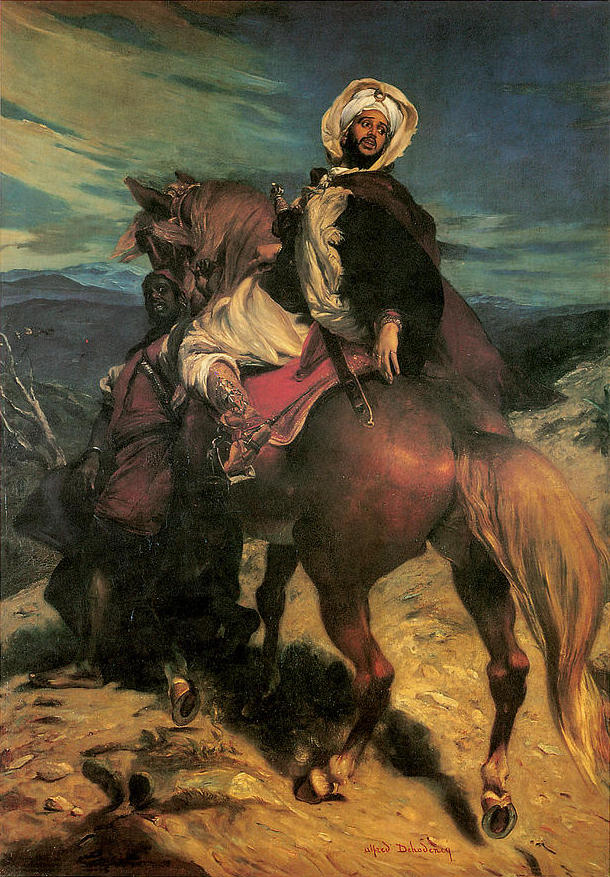
Under the reign of the Caliphs and Emirs, Iberia achieved an imperial splendour
comparable to that of Rome and a level of tolerance unseen in Christendom.
By taking Granada and expulsing the Jewish ‘creative minority’, the Reyes Católicos or Catholic monarchs set in motion an iconoclastic policy of ridding Spain of its Islamic-Moorish heritage.
This intentional forgetting of the past is still present today, with the prohibitions of Muslim prayer in Andalusian villages and the refusal of the Spanish Church – which owns some of the most iconic Caliphate buildings – to acknowledge the history of their properties. The Reconquista myth persists in Spanish politics and public discourse to this day, positioning Catholic Spain as the shield of Europe against the Eastern barbarians.
Despite the prejudices of Spanish society, a few modern nostalgists are pushing for greater recognition of the debt owed to the Muslim and Arabic worlds.
These are but a few examples of how nostalgia and the memory of past glories
contribute to the motion of history. In our turbulent age, in which populist movements change the meaning of democracy, and the world is divided between a growing list of aspiring empires, an understanding of how the past influences our discourse and worldview is essential.
It isn’t wrong to feel nostalgia – in fact, it reminds us in a chaotic time of what we have lost. However, like any emotion it can be hijacked, sold, propagandised. As the nation-states of the world aim to cement their positions, we would all do well to question the histories that are told to us, and make sure that any nostalgia we feel does not stop us from moving towards a better world.
Questions or comments? E-mail us at polisbristol@gmail.com and let us know.