How Does Empire Justify Itself?
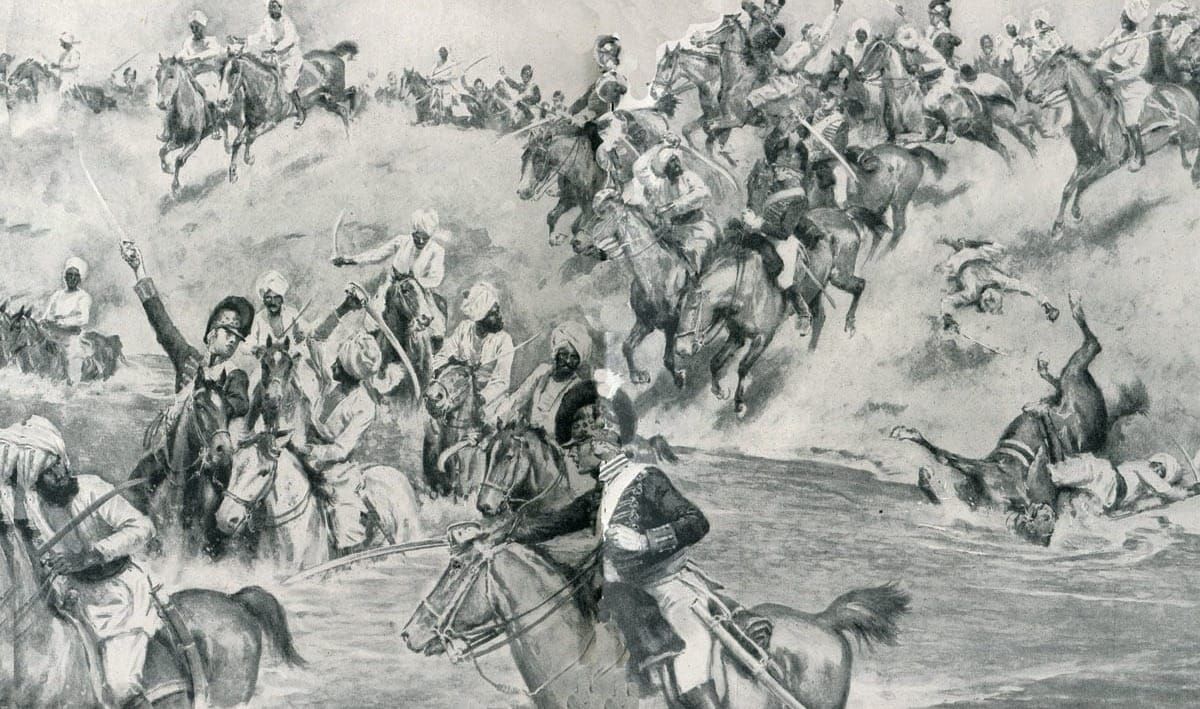
Empires don’t need you to believe in them, they just need enough people not to oppose their interests. It’s a difference that matters. Britain rarely described its empire as harsh, it framed it as essential; unavoidable. Schools repeated the message, newspapers printed it, politicians spoke it aloud in parliament. Phrases like duty, civilising mission, and moral responsibility softened the reality of violence and extraction. And even after the empire faded, the story didn’t vanish. A 2025 YouGov poll showed 33% of Britons still felt pride in the empire, while only 21% expressed shame.
Empires are flexible in their justifications. Take liberalism, freedom and equality, ideals meant to resist tyranny, were co-opted in the 19th century to legitimise imperial control. Colonised peoples were framed as backward and incapable of self-rule. The justification followed the ideology that they were bringing law, progress and civilisation. Jennifer Pitts notes that liberal ideals were not abandoned, they were warped. Democracy and rights were turned into tools of administration, justifications for hierarchy dressed in morality.
Today, the pattern repeats. Humanitarian interventions, the promotion of democracy, and state-building missions sound noble. But at their core, they are exercises of authority, often for strategic advantage. The words change, the logic doesn’t.
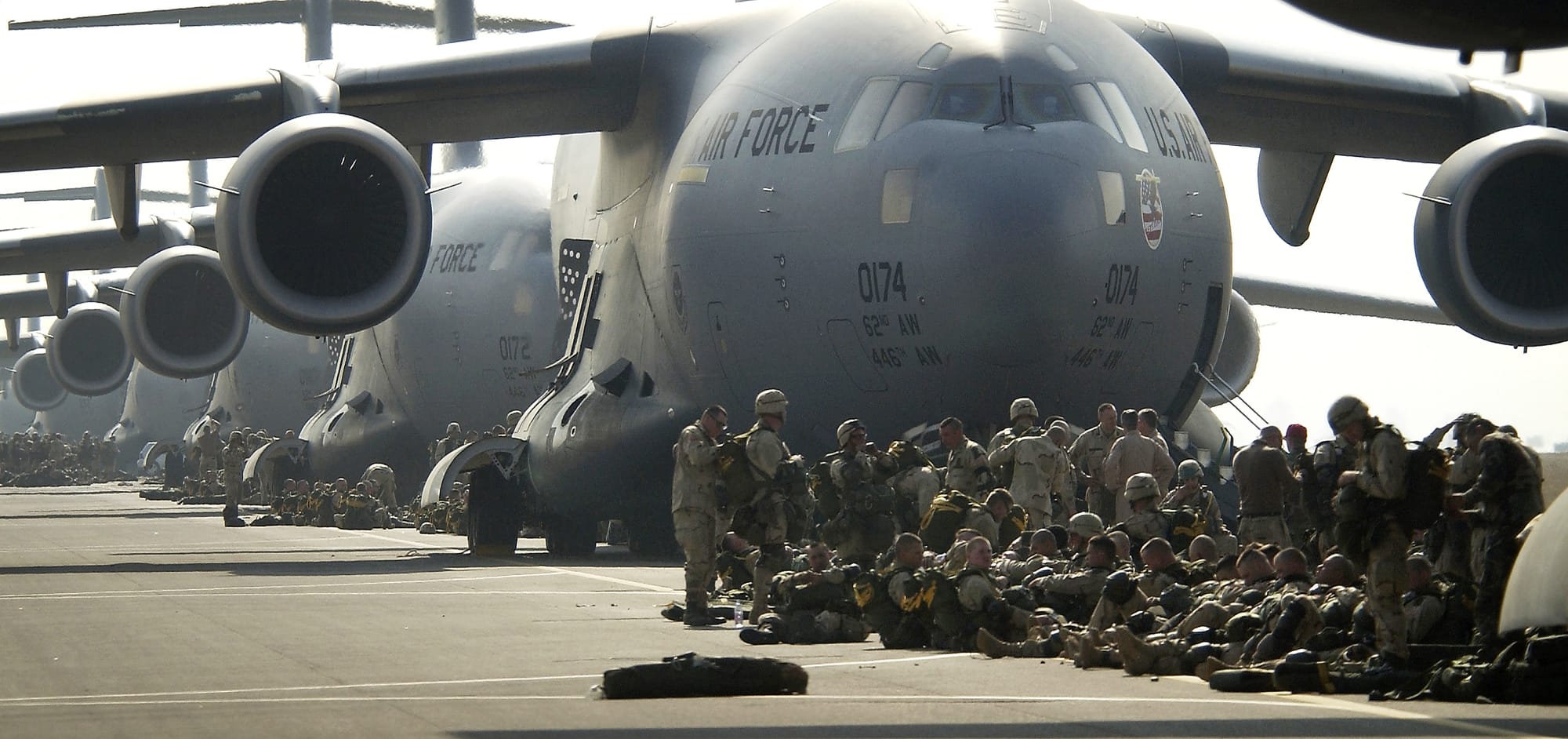
These justifications can also performance-based. Max Weber describes three ways to claim it: legal-rational, traditional and charismatic. Modern imperial powers lean on rational-legal, the claim that they are competent, effective and, necessary. Russia frames its military campaigns in Ukraine as protection and stabilisation. China markets the Belt and Road Initiative as infrastructure development and opportunity. Critics point to debt traps, leverage and coercion. But in the public-facing story, empire is about results. Roads, bridges, GDP growth, these numbers become proof of morality. Force alone is never enough.
Nostalgia keeps empire alive in memory. The Dutch report roughly 50% pride in their colonial past, France and Belgium, 23% and 26% respectively. In Britain, younger generations show less pride, but still, one in four 18–24-year-olds view the empire positively. These are not just statistics, they reflect identity, belief, and politics. Nostalgia shapes elections and public policy. It feeds nationalist movements, frames immigration debates and influences foreign policy. Empire lingers long after its formal structures disappear.
Nostalgia is a factor for the colonised too. A global survey covering over 90 countries revealed an intriguing pattern: citizens of former colonies often rate their former colonisers more positively than other foreign nations. The study, which terms this the ‘former-coloniser gap,’ found a consistent uplift in sentiment toward ex-imperial powers. In other words, even shared histories marked by oppression and extraction don’t necessarily harm bilateral relations. Memory, identity and contemporary politics shape how these relationships are perceived today.
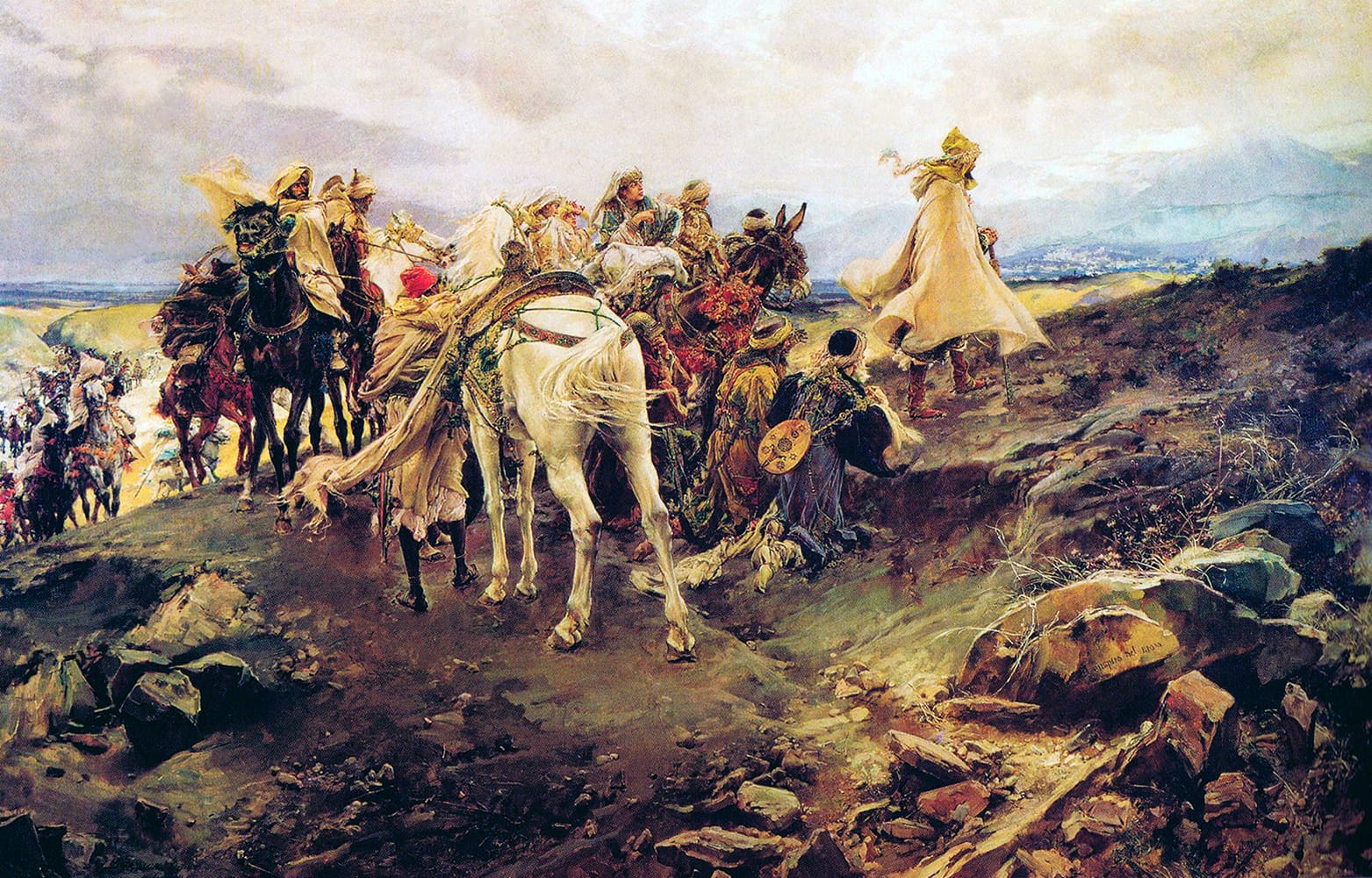
History shows that empires can also manipulate forgetting. The history of Al-Andalus is one such example. The fall of Granada and the forced expulsion of Jews and Muslims in 1492 erased centuries of cultural and religious pluralism, in its place a sanitised narrative of Catholic Spain’s heroism. With imperialism, forgetting can carry as much force as the act of remembering itself. Memory and amnesia together craft the story an empire wants its citizens to believe. Similar processes occurred elsewhere: in the Dutch East Indies, colonial textbooks forget the violence of forced cultivation and famine while exaggerating civilising projects, reinforcing authority through selective memory.
China offers a contemporary illustration of empires’ power over narrative. The Patriotic Education Law of 2023 emphasises national rejuvenation and the ‘Century of Humiliation,’ using historical suffering as a justification for Chinese dominion. Taiwan is positioned not as a peer but as a problem to be rectified. Every new port, military drill, and political announcement is framed as fulfilling a duty to ancestors, a continuation of a historical mandate. Authority is inherited rather than contested. In Beijing’s narrative, legitimacy is passed down, not debated. Beyond Taiwan, the South China Sea offers another example. Islands and reefs, presented as historical Chinese territories in maps and textbooks, normalise claims long before ships arrive or treaties are signed. The lesson is clear: historical narrative justifies present power.
Britain’s own empire demonstrates similar persistence. Hong Kong was returned in 1997, yet colonial shadows remain. The Chagos Islands show that sovereignty disputes rarely end with a handover. Mauritius claims authority, Britain maintains it. These conflicts are rarely about land alone, they are about who can claim legitimacy, enforce influence and control international perception. The same pattern occurs in Gibraltar, the Falklands and scattered French and Dutch territories, Hong Kong . Legal arguments, strategic calculations and moral claims combine, proving empire thrives in diplomacy as much as it once did in conquest.
This part of Empire is quiet and persistent. Subtlety allowing domination to feel ordinary. Framed as moral duty, professional expertise or historical responsibility, authority becomes natural. Historical memory, rhetoric and pride reinforce hierarchy. Persistence is uneven: some nations cling to empire, some suppress it. In Europe, nostalgia drives nationalist sentiment, shapes immigration debates and slows reconciliation. Memory ensures that empire, long after maps have changed, remains alive, influential and quietly accepted.
The story is the same across centuries. European empires justified conquest through their civilising missions; liberal democracies through morality and efficiency; China through history and pride. The power of maintaining these narratives rivals the strength of armies in sustaining empire. Across former colonies, governments inherit railways, courts and bureaucracies while seeking to correct historic injustice. Pride, nostalgia and moral framing make hierarchies seem natural. Even without direct control, imperial influence persists.
The stories we preserve and those we erase, define politics, culture and identity. Authority continues wherever memory and belief reinforce it. Empire endures quietly, persistently and powerfully until societies confront both the material and narrative legacies it has left behind.