Is populism the end of democracy?


In recent years, populism has become one of the most talked-about and controversial forces within global politics. It seems impossible to escape: dominating headlines, political debate and public discourse, yet for good reason. Populism has come to challenge the foundations of democracy itself, driving political unrest, intensifying polarisation and fuelling violence.
However, populism is not a single uniform phenomenon and certainly not all populist movements look the same. There are important differences between the right-wing populism under Donald Trump, Viktor Orbán and Narendra Modi and leftist populism seen through Bernie Sanders’ political discourse, the Pink Tide governments in Latin America or in cases such as that of Luigi Mangione. Lumping all these movements together under one label risks oversimplifying a far more complex political reality.
Here, the fundamental differences between these strands will be made clear; examining the different paths taken by right-wing and left-wing populism to understand how, depending on its form and context, populism can either erode democracy or, under certain conditions, help to revitalise it.
Central to this discussion, this article will look at how populism has developed. Exploring how it originally emerged by presenting politics as a struggle between the “pure people” and a “corrupt elite” and was a response to genuine grievances including inequality, exclusion and political unresponsiveness. However, it will also look at how it has transformed into something far more dangerous, fuelling resentment, encouraging violence and challenging the fundamental principles of democratic governance.
This raises important questions: How did a movement rooted in democratic frustration become a force capable of undermining democracy itself? And are all populist voters and supporters extremists determined to weaken democratic institutions?

Right-wing populism
Right-wing populism is characterised by a distinct set of recurring features. Central to its appeal is a romanticised vision of the past, the manufacturing and exploiting of crises, and an active effort to fuel distrust and undermine democratic institutions. These dynamics will be explored through the cases of Narendra Modi, Donald Trump and Viktor Orbán.
Modi’s India offers a clear example of how right-wing populism centres itself on a romanticised vision of the past rooted in a single authentic national identity, one that side-lines diversity and directly threatens minority rights. Drawing heavily on this sort of narrative, Modi presents the nation as something that has been lost and must be ‛restored,’ framing Hindu identity as synonymous with Indian identity and thus excluding non-Hindus from their Indian identities.
Critics have warned that the country is increasingly resembling an ‛authoritarian, Hindu nationalist state,’ where democratic norms and the rights of religious minorities are systematically eroded. Through the promotion of Modi's Hindutva ideology, Modi’s government has weakened constitutional protections, pressured the judiciary, constrained independent institutions, and curtailed media freedom. In addition, by promoting this discriminatory nationalism, rooted in a romanticised, ‛Hindu-ized’ version of the past, Modi has created a bleak reality for minorities, particularly Muslims, who are increasingly excluded from democratic participation and subjected to discriminatory laws.

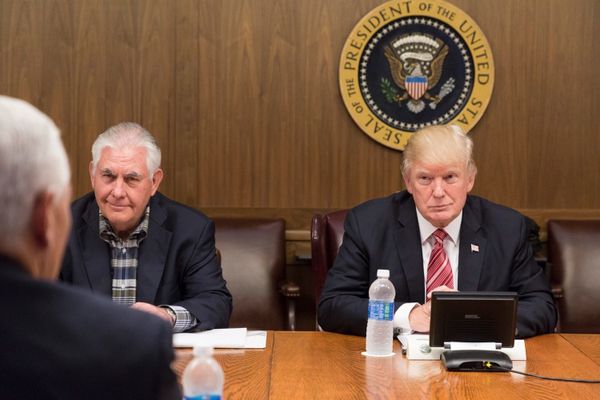
Right-wing populism also thrives on manufacturing and exploiting crises, especially around immigration, culture, and national security. By amplifying perceived threats, populist leaders frame themselves as the sole defenders of ‛the people,’ legitimising increasingly authoritarian responses, as utilised by Modi above. This can be used to justify a more authoritarianism and the erosion of democratic norms, of which Trump is also a clear example.
From the outset of his political career, Trump framed immigration as an existential danger, portraying Mexican immigrants as criminals endangering the state by trafficking drugs and migrating illegally. Once in power, this rhetoric moved into policy; mass detentions, deportations, the defiance of court rulings and the weakening of due process. By invoking extraordinary legal measures, including the Alien Enemies Act of 1798, Trump bypassed established constitutional safeguards and judicial oversight, undermining American democracy as a result.
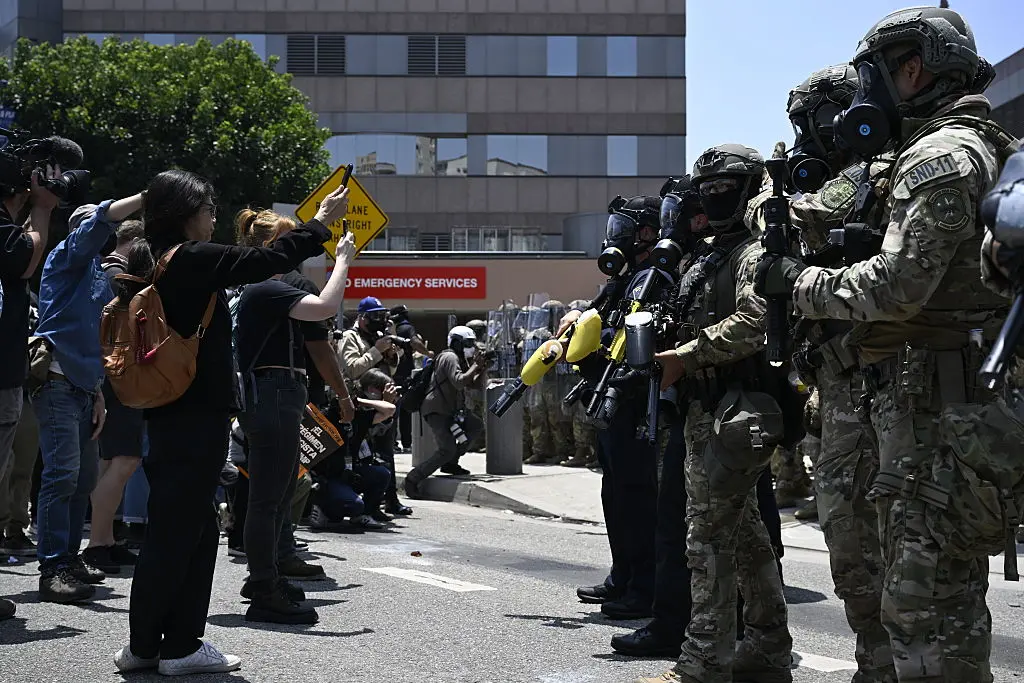
Recently, this logic has been invoked even more aggressively through Trump's ICE raids and immigration enforcement of dubious legal standing. Trump has increased targeting immigrants through mass arrests, detention and deportations and deploying the national guard in major cities such as LA and Washington. For many, the United States has begun to drift from the dreams of liberty that inspire the nation, as masked, armed agents terrorise communities and enforce their law with little transparency or accountability. This was further intensified in January 2026 by the killing of Renee Good, a 37-year-old US citizen, nurse and mother of three, an event that underscored how populism has deadly consequences.
Through these actions, Trump has constructed the “will of the people” as singular and absolute, hollowing out democratic pluralism and legitimising the marginalisation of those who fall outside the dominant national identity, namely immigrants. He has capitalised on people’s vulnerability and discontentment through scapegoating immigrants, increasing polarisation and inciting violence.
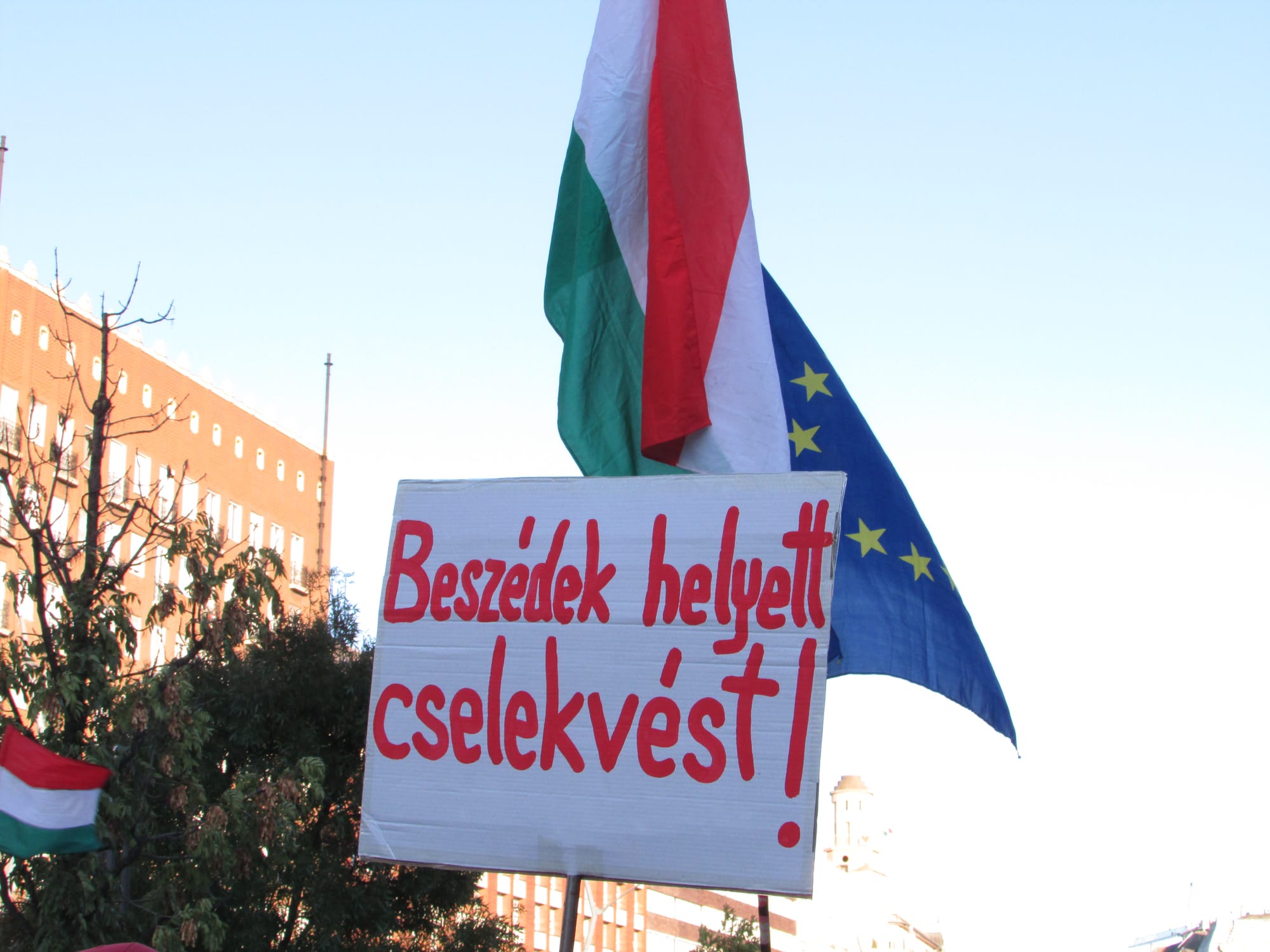
Finally, Hungary under Viktor Orbán offers a clear example of how right-wing populism actively fuels distrust in democratic institutions and, in many cases, works to remove them altogether. Orbán has systematically worked to weaken the checks and balances designed to limit his executive power, moving his regime towards autocracy. Moreover, he has consistently smeared courts, journalists, activists and opposition groups as enemies of the people and pushed to remove the guardrails set to protect democracy. Independent media has been transformed into state-aligned propaganda, the judiciary has been packed with loyalists and universities have been brought under government control, undermining academic freedom and critical thought at large.
At the same time, Orbán has used minority groups as political scapegoats to justify these changes. Legislative measures such as banning assemblies that promote LGBTQ+ rights frames democratic freedoms as threats to national values. In silencing dissent and restricting civil liberties he has normalised institutional distrust. In doing so, right-wing populism in Hungary has eroded the democratic norms the state had acquired since joining the EU. The erosion of checks and balances is so extreme that Hungary is no longer widely considered a full democracy, a view pushed by the EU’s Parliament and the democracy index.
Left-wing populism
Left-wing populism offers a distinct trajectory from its right-wing counterpart. Rather than fuelling fear and scapegoating marginalised groups, it focuses on constructing inclusive narratives, centred on democratic renewal and social justice. However, while these movements hold the potential to act as a positive force, enhancing democratic engagement and revitalising political life, they also have similar de-stabilising risks as to those associated with right-wing populism. It is therefore important to critically examine the dual nature of left-wing populism by analysing both its democratic potential and how it can similarly threaten democracy.
Characterising features of left-wing populism include the targeting of political and economic elites as the source of systemic inequality, as opposed to minority groups targeted in right-wing populism. It often conceptualises “the people” as the working class as opposed to the natives, which helps make it more inclusive. By focusing on these structural inequalities and amplifying minority rights, left-wing populism can function as a democratic corrective, enhancing participation and accountability.
One way this can be explored is through Bernie Sanders' political discourse which is focused on reintegrating excluded groups into the democratic process, through mobilising marginalised voices. Sanders chooses to focus on issues that disproportionately affect marginalised communities, such as income inequality, limited healthcare access and student debt. In doing so, he helps bring visibility to groups often excluded from mainstream political discourse, who have been systemically unrepresented by political elites. Moreover, his focus on public debate and mobilisation through social media, helps engage groups with low political engagement into politics, particularly young and working-class voters. This helps enhance democratic responsiveness and improve democratic integration.
This potential to revitalise political life is further reflected in Sanders' policy agenda. Proposals such as Medicare for All aim not only to address structural inequalities but also institutionalise the demands of underrepresented communities, demonstrating how populist movements can convert popular public opinion into concrete legislative action, as democracies should aim to do.

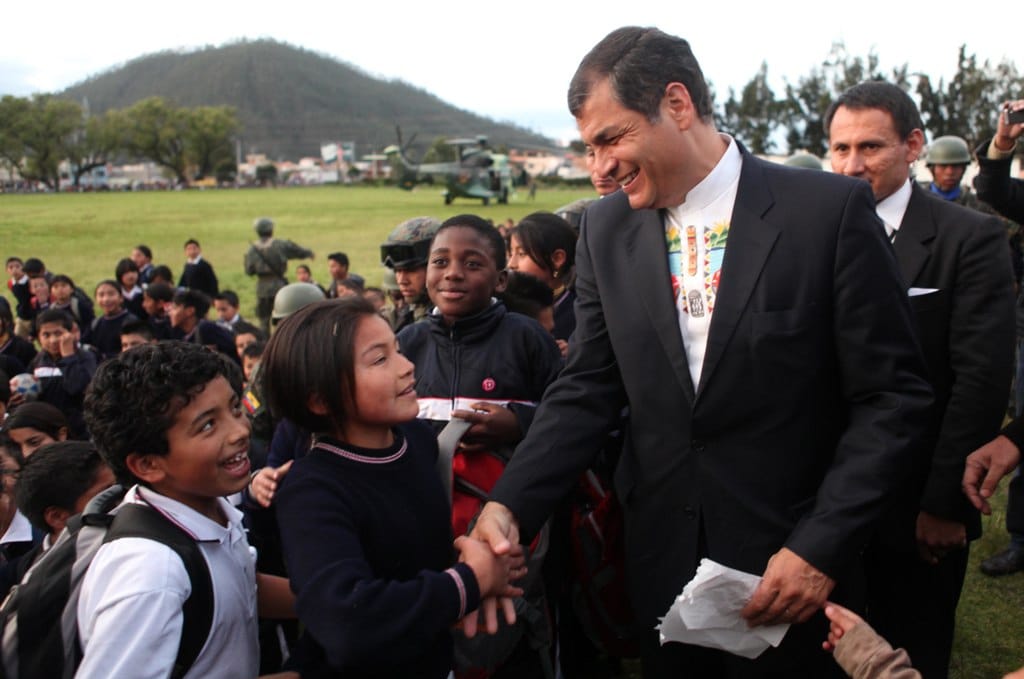
Leadership in left-wing populism also often vastly differs from that of right-wing populism. Instead of seeking constantly to undermine democracy, left-wing populist leaders can often help enhance democracy, strengthening and improving institutional functioning. Examples of these leaders are seen in South America, including Evo Morales (Bolivia) and Rafael Correa (Ecuador). These leaders have focused on advancing socio-economic agendas and emphasising the popular demand for their policies by addressing structural inequality and empowering marginalised communities. By challenging the concentration of power among economic and political elites, these movements used the state more actively to redistribute both wealth and influence. This has led to measures aimed at reducing poverty and inequality; which not only improved living standards but also gave ordinary people more of a political say than they would have had.
Furthermore, their models of governance emphasises a ‛radical democracy’ which focuses on direct citizen involvement in political decision making, widening the democratic base and building broad, multi-class alliances that encourage inclusive participation across social classes. These leaders have pushed for more democratic responsiveness through holding more frequent elections, referenda and plebiscites, creating regular opportunities for public involvement and allowing citizens to participate directly within democracy rather than simple observation. In doing so, these movements demonstrate how left-wing populism, grounded in socio-economic inclusion, can act as a democratic corrective by fostering more social equality and political empowerment for those previously excluded from politics.
However, it is also important to acknowledge the darker dimensions of left-wing populism, particularly its potential to destabilise democratic systems. The case of Luigi Mangione starkly illustrates how radicalised forms of left-wing populism can ultimately undermine the very democratic principles they claim to defend. Operating within a populist framework, Mangione adopted a binary worldview that divided society between the people and the corrupt elite. Within this narrative, Brian Thompson, the CEO of UnitedHealthcare, was cast as a member of that corrupt elite, becoming a symbol of systemic injustice and an embodiment of the forces allegedly responsible for widespread social and economic suffering. Through this populist logic, Mangione framed the killing of Thompson as a necessary act in pursuit of social equality and redistribution.
In the manifesto recovered after his death, Mangione articulated several grievances commonly associated with left-wing populist critique, including the commodification of healthcare, entrenched systemic inequality and the concentration of unchecked corporate power. He argued that the American healthcare system had become fundamentally structured to serve the wealthy at the expense of ordinary citizens. While such criticisms echo longstanding and legitimate democratic debates about inequality and the structure of the US healthcare system, Mangione’s turn to violence represented a profound departure from democratic practice. Rather than advancing reform, it constituted a direct challenge to the core principles of democracy itself namely non-violence, pluralism and the rule of law.
This populist radicalisation goes beyond just Mangione, following the murder he has garnered huge support and sympathy, being regarded by some as a hero or martyr. This legitimisation of restoring justice through violence fundamentally challenges what democracy stands for, posing a threat to democratic pillars such as mutual toleration and institutional trust. This shows the dual nature of populism; showcasing its ability to act as a democratic corrective articulating popular grievances, yet also eroding democratic legitimacy and sustaining authoritarian tendencies from below. The case of Luigi Mangione highlights the line between valid populist critique and harmful democratic destabilisation, showing how populism can serve as a dangerous force on all sides of the political spectrum.
Ultimately, populism can both enhance and threaten democracy, highlighting the contrasting paths different populist movements can take. At the same time, it raises a broader question about what the rise of populism reveals about the state of democracy today. Increasingly, populism has become a channel through which people who feel unheard, excluded or politically marginalised express their frustrations with the political system. Yet when these frustrations are mobilised through populist narratives, they can erode the very pillars of democracy. Ultimately, the real test for democracy today is whether its institutions are resilient enough to address these grievances before frustration hardens into something far more destabilising.